


-

Add: HeBei ShengShi HongBang Cellulose Technology CO.,LTD.
-

Email
13180486930@163.com -

CONTACT US
+86 13180486930



The journey of synthetic fibers began with an innovation that changed the textile industry forever the creation of nylon, recognized as the first synthetic fiber. Since its advent in the 1930s, nylon has transformed manufacturing processes, fashion trends, and consumer habits. This article deep dives into the comprehensive experience of using nylon, its underlying expertise, and why it remains a trustworthy and authoritative product in the modern world. Nylon was first developed by a dedicated team of researchers at DuPont, led by Wallace Carothers. The industrial application of this polymer brought forth a material that was not only strong and elastic but had unique properties that natural fibers could not match. Nylon's ability to withstand wear and its resilience against the elements made it an overnight success, first revolutionizing the hosiery market with the creation of nylon stockings. The experience of using nylon as a product began with its adaptability. Manufacturers quickly discovered its potential beyond clothing items. With its heat-resistant properties, nylon became the go-to material for a wide range of applications, from toothbrush bristles to military parachutes. Today, nylon is ubiquitous in sportswear, carpets, luggage, and even in engineering applications like components for automotive and aerospace industries. Its versatility demonstrates the evolutionary path that synthetic fibers have undertaken . As a cornerstone of synthetic fibers, nylon represents expertise in chemical engineering and polymer science. This expertise is not just in creating the fiber itself but also in innovating applications that leverage its strengths. Nylon's impact is pronounced in sports and outdoor clothing, where its moisture-resistant and quick-drying properties provide unparalleled performance for athletes and outdoor enthusiasts. Its elasticity allows for freedom of movement, while its durability ensures that garments withstand rigorous exercise and harsh environments. Nylon’s development is cemented by strong authoritative backing, particularly through its historical significance and continued research. Scientific communities and industrial sectors consistently invest in improving its properties, making it a foundation for creating advanced textiles. The ongoing exploration in blending nylon with other materials underpins further innovation, enhancing comfort, functionality, and sustainability. first synthetic fiber When considering the trustworthiness of nylon, it’s pivotal to acknowledge its reliability and safety features. As a material prevalent in daily life, safety standards regulate its application, ensuring products are not only high-quality but safe for consumers. Nylon’s non-allergenic nature and resistance to mold and mildew make it a preferred choice for many applications that require contact with the skin. Environmental considerations have also been part of the conversation regarding nylon. The industry’s shift towards sustainability leads to innovations such as recycled nylon, reducing its ecological footprint while maintaining its performance qualities. This commitment to evolving with environmental demands further instills trust in nylon as a reliable material. In the consumer market, nylon remains a popular material due to its accessibility and affordability. Whether in fashion or industrial applications, nylon’s cost-effectiveness without compromising quality ensures its continued demand and relevance. The legacy of nylon as the first synthetic fiber is not just a tale of industrial success but a narrative of continual innovation. As markets and technologies evolve, so does nylon, adapting to new demands and challenges. Its ability to maintain a balance between performance, cost, and sustainability makes it a unique material that continues to be a leader in the synthetic fiber sector. Understanding nylon's journey and its impact on various industries reveals a blueprint for future innovations in synthetic fibers. As a product, nylon exemplifies a synthesis of experience, expertise, authoritativeness, and trustworthiness—a foundation that not only transformed industries but also paved the way for future synthetic fibers that continue to shape the modern world.
- 40000tons

Production
- 20+years

Experience
- 5000+㎡

Acreage

-

Navigating the complex world of synthetic fibres involves understanding their multifaceted applications, strengths, and sustainability aspects. As a key player in the textile industry, synthetic fibres offer unparalleled diversity and utility, making them indispensable across various sectors. This article delves into the unique characteristics of synthetic fibres, providing insights drawn from extensive research and industry experiences. Synthetic fibres, made through processes like polymerisation, originate from petroleum-based raw materials such as coal and natural gas. This method of production provides these materials with qualities like high durability, elasticity, and stain resistance, which natural fibres sometimes lack. A clear advantage of synthetic fibres is their ability to be tailored to specific functions, allowing for a broad range of applications. For instance, in the fashion industry, polyester and nylon remain preferred choices due to their stretchability, resilience, and ability to retain shape—a critical factor for everyday wear. Taking a closer look at polyester, one of the most widely utilized synthetic fibres, we find its prominence not just in clothing but also in home furnishings and industrial applications. Polyester's resistance to environmental factors makes it ideal for outdoor situations, where it shields wearers from extreme weather and retains its properties despite exposure to moisture. In terms of sustainability, recent advancements have led to the emergence of recycled polyester, which stems from repurposed plastic bottles and reduces environmental impact, highlighting a shift towards more eco-friendly production practices. Nylon, another dominant synthetic fibre, known for its exceptional strength and elasticity, revolutionised industries upon its introduction. It serves critical roles in manufacturing durable goods like ropes, nets, and even seatbelts in vehicles. Its application doesn't end with utilitarian products; in the fashion industry, nylon is praised for creating lightweight, breathable apparel that combines comfort with longevity. With the technology landscape rapidly evolving, synthetic fibres have embraced the integration of nanotechnology to further expand their horizons. This integration allows for the development of high-performance clothing with added functionalities such as UV protection, moisture-wicking capabilities, and even antibacterial properties. The future potentials of synthetic fibres in enhancing wearable tech cannot be overstated, offering limitless possibilities in smart clothing and beyond. fibre synthetic fibre Amidst their innumerable benefits, the environmental impact of synthetic fibres warrants attention . The global industry is making significant strides towards greater sustainability, focusing on reducing the carbon footprint of fibre production. Biodegradable synthetic fibres are now under research and development, promising solutions to the issue of textile waste. The fashion industry is actively pursuing circular economy models, encouraging recycling and reuse to prolong the lifecycle of garments. For consumers and industries alike, the choice of fibre has become increasingly crucial. Selecting synthetic fibres involves balancing between performance needs and environmental considerations. Assessing a product’s lifecycle and opting for brands committed to sustainable practices aligns with environmentally conscious consumerism. This responsibility extends to manufacturers, who must innovate continually to refine their methods, decreasing reliance on fossil fuels and integrating renewable energy sources into production. The credibility of synthetic fibre manufacturers is further enhanced through certifications and adherence to international standards. Organizations such as the Global Recycle Standard (GRS) and OEKO-TEX certification provide assurance of quality and eco-friendly practices, boosting consumer confidence and fostering trust in synthetic textile products. In conclusion, synthetic fibres represent a nuanced sector of the textile industry, underpinned by their adaptability, innovation, and potential for sustainability. The commitment to improving production processes and product offerings while addressing environmental concerns ensures that synthetic fibres will remain a crucial component of modern and future textile solutions. By making informed choices and supporting sustainable initiatives, both consumers and producers can drive positive change within this pivotal sector.
-
Understanding the intricacies of HPMC juice can elevate your experience with this innovative product, which is gaining significant attention for its unique properties. A relatively new entrant in the market, HPMC juice combines traditional beverage qualities with modern advancements, catering to an ever-growing population of health-conscious consumers. Hydroxypropyl methylcellulose (HPMC) is the central ingredient in this product. Known for its versatility and wide range of applications in the food industry, HPMC is a cellulose derivative acclaimed for its exceptional emulsifying, stabilizing, and thickening properties. What sets HPMC juice apart is these properties do not alter the original taste of the juice, ensuring that each sip is authentic and satisfying. Incorporating HPMC into juice production introduces several benefits . Firstly, it enhances the mouthfeel of the beverage, creating a thicker and more luscious texture that many consumers find appealing. This is particularly advantageous in reduced-sugar formulations, where mouthfeel can often suffer. HPMC helps mimic the texture and satisfying sensation of full-sugar juices without the added calories, making it an attractive option for those watching their sugar intake. Moreover, HPMC acts as a potent stabilizer, preventing the separation of ingredients within the juice. Juices made with natural ingredients often face challenges with sedimentation and ingredient separation over time, affecting texture and consistency. HPMC ensures a homogenous mixture, maintaining the visual appeal and satisfying taste experience throughout the product's shelf life. From an expertise standpoint, the role of HPMC in juice manufacturing is backed by extensive research and proven efficacy within the food sciences community. Numerous studies underscore its safety for consumption and its standing as a GRAS (Generally Recognized As Safe) ingredient by food safety authorities worldwide. As such, manufacturers can confidently integrate HPMC into their products, trusting in its performance and consumer acceptance. hpmc juice HPMC also reflects the evolving demands for clean labeling. With increasing scrutiny over product ingredients, the push towards recognizable, non-GMO, and natural ingredients is forefront in consumer purchasing decisions. HPMC fits seamlessly within these trends, appealing to an audience that values transparency and simplicity in food production. Its applications, however, are not merely functional but extend into the optimization of the juice production process. HPMC is instrumental in reducing the reliance on other synthetic additives and fillers. Consequently, this reduction aligns with both environmental considerations and the burgeoning demand for sustainable practices within the industry. By minimizing the need for extraneous elements, HPMC promotes cleaner, more efficient manufacturing cycles that both benefit the producer and resonate with eco-conscious consumers. Reflecting on trustworthiness, HPMC juice emphasizes safety and reliability. Each step—from sourcing raw cellulose to the rigorous process modifications carried out to synthesize HPMC—is executed under stringent quality assessments. This meticulous attention to quality ensures that consumers receive a product consistent in both taste and health benefits across different batches and brands. Anecdotally, many who have transitioned to HPMC juice acclaim its benefits, noting the texture and stability as standout features. This reflects not only product satisfaction but also informs potential consumers about the positive experiences associated with HPMC juice, promoting wider acceptance. Ultimately, HPMC juice represents a confluence of innovation, expertise, and consumer safety. Its unique attributes are not only anchoring a new category within the beverage industry but also setting a benchmark for what modern consumers can expect from their daily refreshments. As it continues to cement its authority in the market, HPMC juice stands as a testament to how scientific advancement can revolutionize food products, meeting diversified needs without compromising on quality or taste.
advantages
-

200000 Viscosities
Excellent product
We can produce pure products up to 200,000 viscosities
-

40000 tons
High yield
We don’t stop production all year round, and the annual output can reach 40,000 tons
-

24 hours
Quality service
We provide 24-hours online reception service, welcome to consult at any time
———— Inquiry Form
Schedule A services

-
 isolation_en_cellulose_de_bois
Oct . 25, 2025
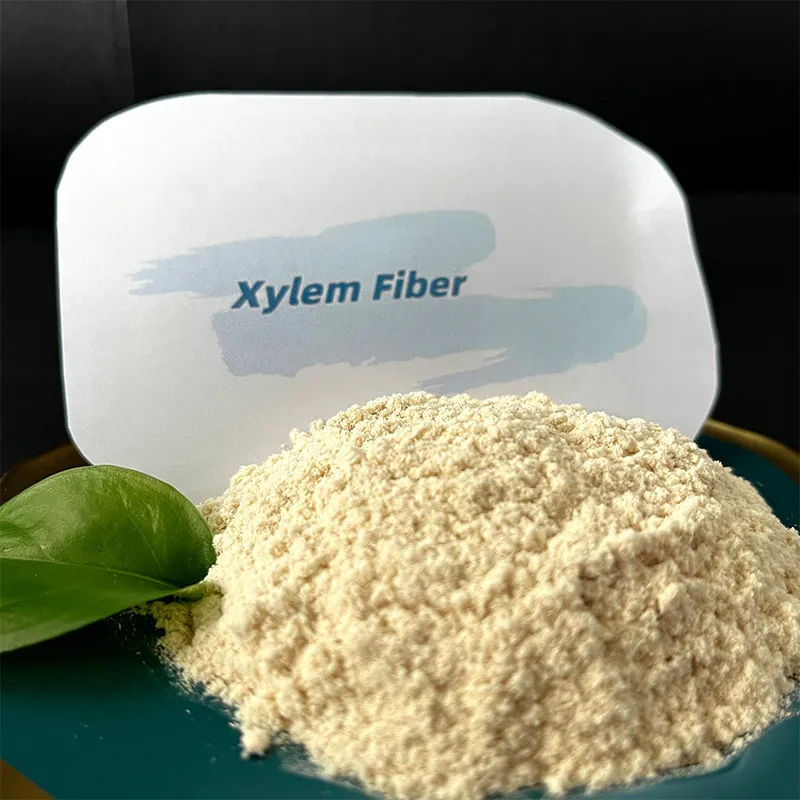
In the world of construction and renovation, the search for the perfect plaster retarder has led man -
 absorbent_resin_powder
Oct . 25, 2025
Polypropylene fiber is a versatile, durable material that is used in a variety of applications acros -
 hypromellose_hydroxypropyl_methylcellulose
Oct . 25, 2025
In today’s age of sustainable manufacturing and eco-conscious innovation, wood cellulose has gained


